When it comes to fly fishing, the right equipment can significantly enhance your experience on the water. Understanding the nuances of fly lines and leader lines is essential for successful casting and landing those prized catches. Selecting the best fly fishing leader line can make all the difference in your performance, as it directly affects your presentation and the way fish react to your fly.
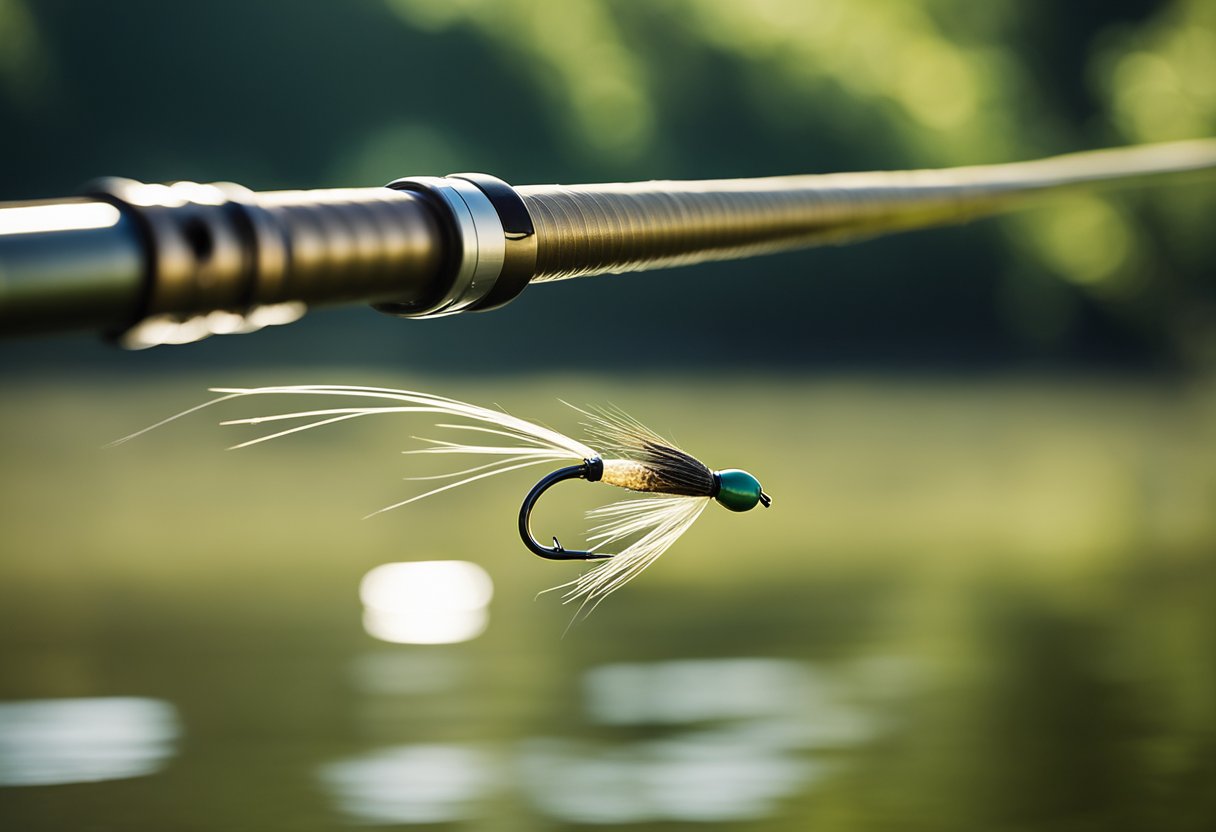
In my journey as an angler, I’ve learned that choosing the right material for my leader line is just as crucial as the fly rod and reel I use. Fluorocarbon leader lines offer incredible advantages, such as low visibility underwater and exceptional abrasion resistance. This knowledge can transform your fishing game, leading to more bites and an enjoyable time on the water.
As I explore various fly fishing lines, I focus not only on performance but also on how they complement my casting technique. By investing in high-quality fly lines and understanding their characteristics, I can adapt to different fishing conditions and improve my odds on every outing.
Understanding Fly Lines and Leaders
Fly lines and leaders play a critical role in effective fly fishing. These components influence casting, presentation, and overall success in enticing fish. Understanding their characteristics helps in making informed choices for diverse fishing conditions.
Fly Line Basics
When selecting a fly line, I consider its type, weight, and taper. The primary types include floating, sinking, and intermediate lines. Each type serves distinct purposes, depending on the water depth and species targeted.
Weight is crucial, as it ensures proper casting and presentation. A line’s weight should generally match the fly rod specifications. Additionally, the taper affects how the line rolls out during casting, influencing accuracy.
I also account for backing, which adds extra line capacity on the reel. This is particularly important when targeting large fish that may need long runs. In practice, I often opt for a balanced setup that combines the right line weight, taper, and backing to enhance casting efficiency.
Fly Fishing Leader Line Material
The leader line is equally important, serving as the connection between the fly line and the fly. I typically use tapered leaders that transition from thick to thin, allowing for better presentation and reducing visibility to fish.
Material options include monofilament, fluorocarbon, and copolymer. I prefer fluorocarbon for its abrasion resistance and lower visibility underwater. It sinks faster, making it suitable for nymphing and streamer fishing.
In contrast, monofilament is generally more forgiving and offers a good balance of strength and stretch. I also consider the tippet, which I attach to the end of the leader for added versatility. This choice can impact both the catch rate and hook setting efficiency.
Selecting the Best Leader Line
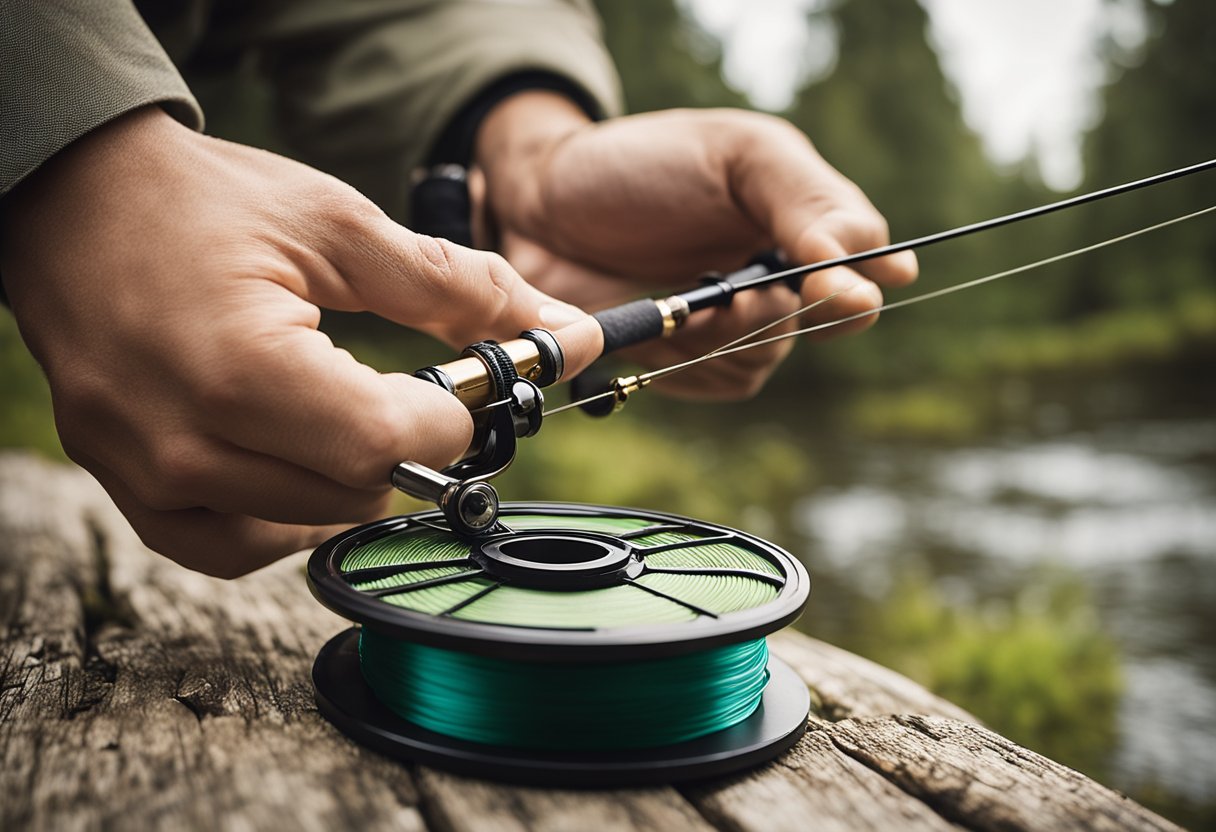
When selecting the best leader line for fly fishing, I consider two main types: fluorocarbon and monofilament leaders. Each has unique characteristics that affect performance in various conditions, so understanding their differences is key.
Fluorocarbon vs. Monofilament Leaders
Fluorocarbon leaders are known for their superior abrasion resistance and lower visibility in clear water. This material refracts light similarly to water, making it less detectable to fish, particularly in challenging fishing conditions. Fluorocarbon also has excellent knot strength, which is crucial when fighting larger trout.
Monofilament leaders are more buoyant and can better support dry flies. They generally offer greater stretch, which can help absorb the shock of a fish striking. However, monofilament is more visible underwater and may not hold up as well against abrasions. For applications where stealth is critical, I prefer fluorocarbon. For situations requiring buoyancy, I opt for monofilament.
Choosing the Right Tippet
Choosing the right tippet size and material is essential for success. Tippet size typically ranges from 0X to 7X, with smaller numbers denoting thicker tippets. For targeting larger trout, I usually select a 3X or 4X tippet, as it provides the needed strength without sacrificing too much invisibility.
Fluorocarbon tippet material is my go-to choice when fishing in clear water due to its low visibility. It also has less stretch, leading to better sensitivity. I tend to match my tippet to the leader’s breaking strength for optimal performance. By carefully considering these factors, I enhance my chances of landing fish in varying environments.
Enhancing Fly Fishing Performance
In my experience, the right leader line can significantly elevate fly fishing performance. Specific characteristics and proper matching of leader lines to various fishing applications play a crucial role in optimizing success on the water.
Leader Line Characteristics
Leader lines are essential for achieving a proper drift in varied fishing conditions. Key characteristics include abrasion resistance, which is vital when fishing around rocky or weeded areas. I often choose lines with a smooth surface to minimize friction, allowing for longer casts.
- Material: Fluorocarbon is my go-to for clear water because it is nearly invisible and sinks faster than nylon, enhancing my presentation.
- Taper: Selecting the right taper affects how well the fly turns over during casting. A weight-forward taper can help in windier conditions, ensuring better delivery.
The right leader enhances my ability to target species effectively, adapting to specific conditions like currents and fish behavior.
Matching Leaders to Fishing Applications
Properly matching leader lines to fishing applications is crucial. I consider the following factors in my selection:
- Fishing Conditions: For saltwater fishing, I use stronger, thicker leaders to handle stronger fish and rough environments.
- Targeted Species: Different species may require distinct strengths. For example, when targeting bass, I prefer a heavier leader, while for trout, I choose a lighter line.
Drifting effectiveness varies with the type of leader I select. A well-matched leader contributes to a more natural fly presentation, increasing my chances of catching fish.
Top Fly Fishing Leader Lines
When selecting a fly fishing leader line, I consider various factors including strength, visibility, and material. Here are some top options I’ve found effective:
- Rio PowerFlex Trout Leaders: Known for their knot strength and elasticity, these leaders perform well in diverse conditions. They offer a range of strengths and lengths tailored to trout fishing.
- Fluorocarbon Leaders: I prefer fluorocarbon for its low visibility underwater. Options like Seaguar and Momoi Diamond provide excellent abrasion resistance and sensitivity.
- Orvis Leaders: Their options are durable and versatile, suitable for many fishing environments. The brand’s commitment to quality makes them a reliable choice.
- Rio Indicator Leaders: These specifically designed lines work well for indicator fishing, ensuring better visibility and control over your presentation.
- Rio SuppleFlex: This leader line provides a good blend of flexibility and strength. It’s ideal for finesse presentations and spooking wary fish.
- Rio Bass and Steelhead Leaders: For heavier species, I often choose Rio’s dedicated lines. They offer the necessary weight and strength for both bass and steelhead fishing.
Customer service from these brands is generally excellent, ensuring I can get support when needed. Each leader line has its own strengths, so I recommend testing a few to find what works best for your fishing style.