When it comes to fly fishing for trout, the choice of line can dramatically affect my success on the water. Shooting line offers precision and distance, allowing me to cast effectively in various conditions. With the right shooting line and gear, I can significantly enhance my fishing experience.
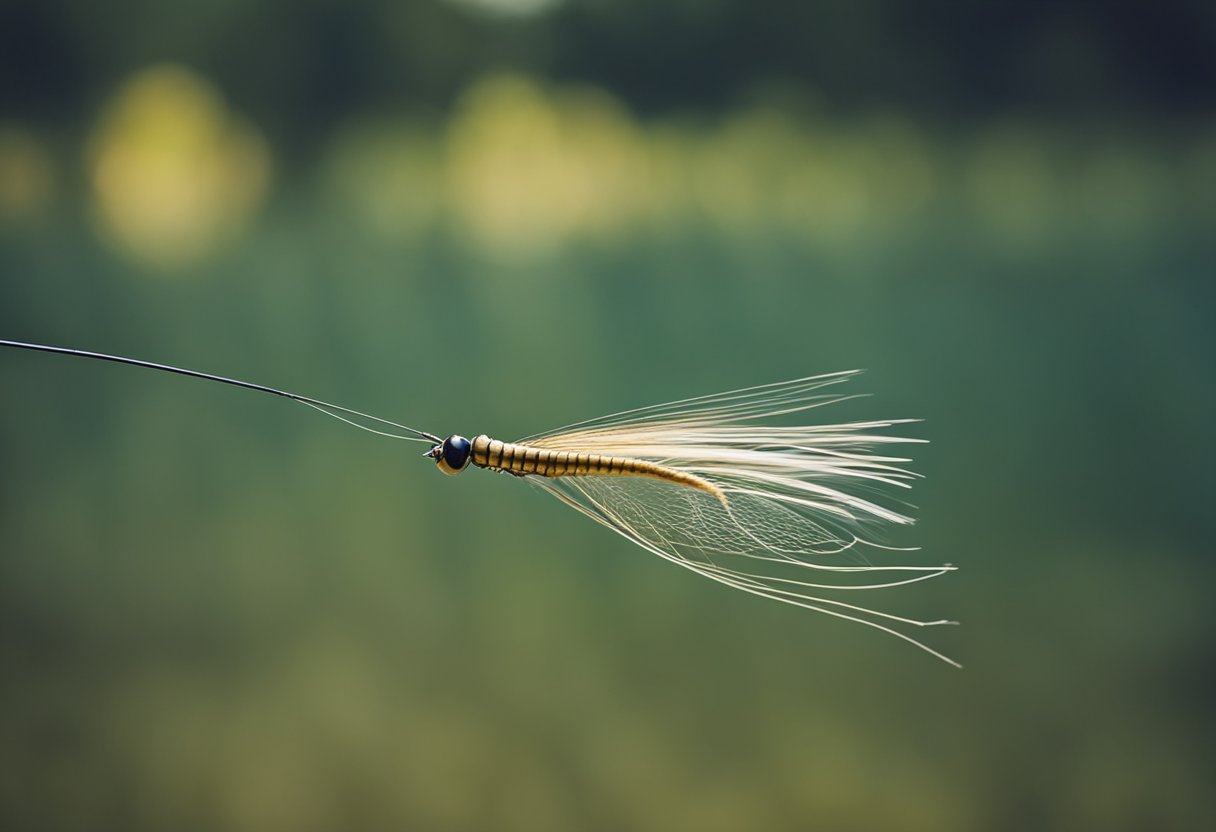
Understanding the differences between shooting line and traditional fly fishing lines is crucial. While traditional lines excel in many situations, shooting lines provide greater versatility and performance. I can effectively adapt my casting technique to maximize my chances of landing that prized trout.
Maintenance is key to prolonging the life of my shooting line. Regular cleaning and proper storage help ensure optimal performance. Keeping my gear in top shape allows me to focus on what really matters: the thrill of catching trout.
Fundamentals of Fly Lines and Shooting Lines
Understanding the composition and characteristics of fly lines and shooting lines is essential for effective fly fishing. Each type of line serves specific purposes and can greatly influence casting performance and distance achieved.
Composition and Types of Fly Lines
Fly lines are generally made from materials such as PVC or polyurethane. These materials determine the line’s buoyancy, flexibility, and durability. The main types of fly lines include floating lines, sinking lines, and sink-tips.
- Floating Lines: Ideal for surface fishing, they keep the fly on or near the water’s surface.
- Sinking Lines: These are designed to pull flies down to specific depths, making them suitable for deeper waters.
- Sink-Tips: A hybrid option, they combine a sinking front with a floating back for versatility.
The design of each line affects its sink rates, casting distance, and how it interacts with different water conditions.
Characteristics of Shooting Lines
Shooting lines, often referred to as running lines, are the thin, rear section of the fly line. They are key to maximizing casting distance and precision. Shooting lines typically feature a narrower diameter compared to the main fly line, allowing for reduced friction and smoother casting.
There are two main types: mono running lines and integrated running lines.
- Mono Running Lines: Made from monofilament, these lines provide flexibility and ease of casting.
- Integrated Running Lines: These lines are built into the fly line itself, offering a seamless connection between the shooting head and running line.
When selecting a shooting line, consider factors such as weight, action, and intended application to achieve optimal performance.
Tackling Techniques with Shooting Lines
When incorporating shooting lines into my fly fishing routine, I focus on the differences in technique compared to traditional methods and efficient casting practices tailored to trout fishing. Understanding these can enhance both distance and accuracy.
Comparison of Shooting and Traditional Fly Fishing
Shooting lines differentiate significantly from traditional fly lines. While traditional lines often utilize a weight forward design, shooting lines offer increased distance and speed. This makes them optimal for casting in various environments.
In shooting line setups, the rear taper allows for a smooth transition during overhead casting. I find that the double haul technique maximizes my casting distance. The lack of friction with shooting lines enhances retrieval speed, enabling quicker adjustments to target trout.
Efficient Casting for Trout
In my experience, achieving accurate casting with a shooting line requires a few key techniques. With effective overhead casting, I aim to keep the rod tip high to maintain line tension. This positioning aids the line in shooting forward effectively.
When fishing for trout, I ensure that my shooting line is properly matched with my fly rod and reel. The balance in weight reduces casting fatigue. Additionally, I adjust my casting style based on conditions, utilizing a Spey casting method in tight spaces, especially when fishing near banks or obstructions.
Optimizing my casting techniques not only increases the chances of hooking a trout but also enhances the overall fishing experience.
Advanced Fly Fishing Gear and Technique Integration
Integrating advanced gear and techniques can significantly improve my efficiency and success while fly fishing. Focusing on specialty lines and optimal gear combinations allows me to adapt to various fishing conditions and target species more effectively.
Enhancing Performance with Specialty Lines and Leaders
Using specialty lines tailored to specific fishing scenarios enhances my performance. For instance, Wulff Ambush lines offer superior control in casting short distances, perfect for tight spots. In contrast, Airflo and Rio Gold lines provide exceptional distance and line control for open water.
Employing sink tip lines allows me to reach deeper waters when targeting trout. Additionally, leaders constructed from materials like Amnesia and Lazar offer low visibility and high strength, ensuring a stealthy approach. I turn to taper diagrams for guidance to choose the right line combination based on conditions, allowing me to maximize my chances of success.
Optimizing Fly Line and Rod Combos
Selecting the right fly rod and reel combo is critical for achieving optimal performance. I follow AFFTA standards to match my gear, ensuring compatibility between the fly line weight and rod action. A lighter rod paired with a SA Anadro line can improve sensitivity when casting smaller flies.
Using the loom to loop connection method provides seamless transitions between lines and leaders, enhancing efficiency. When targeting trout, my go-to combination often includes a medium-action rod with a floating line for versatility. This setup allows me to cast delicate presentations while maintaining accuracy, crucial for fooling wary fish.
Maintenance and Care for Shooting Lines
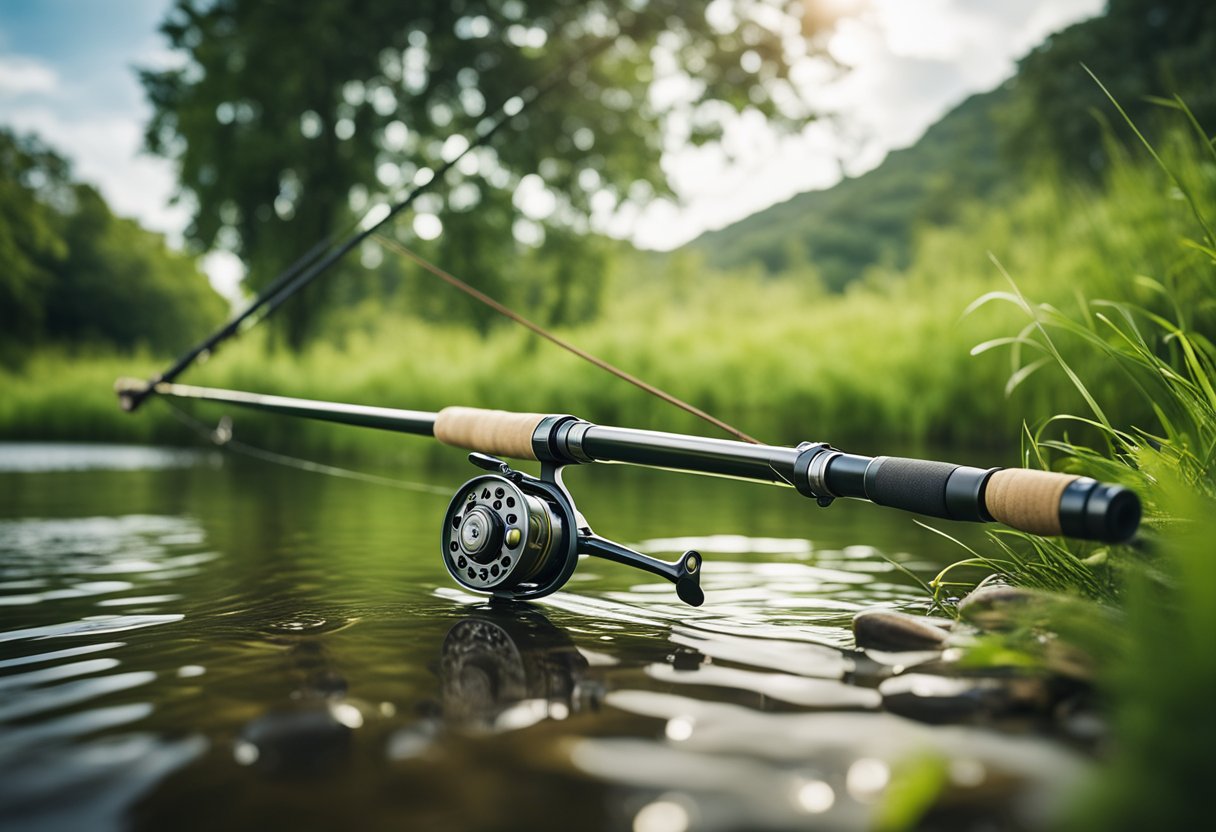
Proper maintenance of shooting lines is crucial for optimal performance in fly fishing. I recommend a routine that keeps the line in excellent condition.
Cleaning:
I clean my shooting lines regularly to remove dirt and debris. A mild soap and warm water solution works well. Soak the line, then rinse with fresh water and let it dry.
Storage:
I store my shooting line in a cool, dry place. Avoid exposing it to direct sunlight for long periods, as UV rays can damage the material.
Line Density:
Different line densities can affect how I fish. I check for any signs of water absorption, especially in nylon lines. If my line feels heavy, it may need drying or replacement.
Damage Inspection:
Before each fishing trip, I inspect my shooting line for nicks or abrasions. I find that a simple visual check can prevent surprises while out on the water.
Replacement:
If my line shows signs of wear or damage, I replace it. This ensures that I maintain optimal casting distance and accuracy.
By following these steps, I keep my shooting line in top condition, ready for my next fishing adventure.